
History of Al Hilal FC
The history of AI Hilal FC – Al Hilal Saudi Football Club, widely recognized as Al Hilal, is one of the most iconic and successful football clubs in Asia. It was founded on October 16, 1957, in Riyadh, Saudi Arabia. Originally named Olympic Club, the club was established by Abdul Rahman bin Saad bin Saeed, a passionate football enthusiast. The name “Olympic” reflected a desire for the club to achieve greatness and excellence.
In 1958, just a year after its founding, the club’s name was changed to Al Hilal following a royal decree by King Saud bin Abdulaziz. The new name, meaning “crescent moon” in Arabic, symbolized ambition, renewal, and a connection to Islamic culture. This royal endorsement set the foundation for Al Hilal’s prominence in Saudi football.
Al Hilal quickly established itself as a competitive team in local tournaments. In 1961, the club won its first official title, the King’s Cup, marking the beginning of a legacy of success. By the 1970s, Al Hilal had become a dominant force in Saudi football, securing multiple national titles and earning the nickname “The Leader” (Al Zaeem) for its leadership on and off the pitch.
The 1980s and 1990s were transformative decades for Al Hilal, as the club began making its mark on the continental stage. In 1991, Al Hilal won its first Asian Club Championship (now the AFC Champions League), defeating Esteghlal in the final. This victory marked the start of Al Hilal’s dominance in Asian football, earning the club a reputation as one of the continent’s elite teams.
Al Hilal’s philosophy of investing in both local talent and international stars further fueled its success. The club became known for signing world-class players and coaches, helping to elevate the standard of Saudi football. Its home ground, the King Fahd International Stadium, became a fortress where Al Hilal showcased its skill and passion to loyal fans.
To date, Al Hilal has won numerous domestic titles, including the Saudi Professional League, King’s Cup, and Crown Prince Cup, alongside a record number of AFC Champions League titles. The club’s commitment to excellence has solidified its status as a symbol of pride for Saudi Arabia and a powerhouse in global football.
Today, Al Hilal remains a beacon of ambition and achievement, representing Saudi football on the world stage with its rich history and unwavering pursuit of success.
15 interesting facts about Al Hilal FC
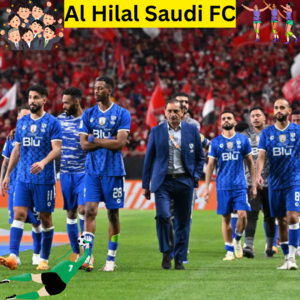
- The Club’s Royal Connection
Al Hilal is the only Saudi club to have its name directly changed by a royal decree. In 1958, King Saud bin Abdulaziz renamed the club from Olympic Club to Al Hilal, making it one of the few clubs globally with a name rooted in royal history. - Record AFC Champions League Titles
Al Hilal holds the record for the most AFC Champions League titles won by a single club, with four championships (1991, 2000, 2019, and 2021). This remarkable achievement cements their status as the “Kings of Asia.” - First Saudi Club to Win the Continental Title
Al Hilal was the first Saudi Arabian team to win the Asian Club Championship (now AFC Champions League) in 1991, establishing Saudi Arabia as a competitive force in Asian football. - Global Recruitment Philosophy
Al Hilal is known for attracting top international talent. Over the years, the club has signed world-renowned players like Rivaldo, Bafétimbi Gomis, and more recently, Neymar Jr., making it a destination for global football stars. - Fanbase Size
Al Hilal boasts one of the largest fanbases in the Middle East, with millions of supporters across the region. Known as “Hilalians,” their passion and loyalty have made Al Hilal a cultural phenomenon in Saudi Arabia. - The King Fahd Stadium Factor
Al Hilal’s home ground, the King Fahd International Stadium, is one of the largest football stadiums in the Middle East, with a seating capacity of over 68,000. It is often referred to as the “Blue Jewel” by fans due to the club’s dominant performances there. - First Arab Club to Compete in the FIFA Club World Cup
Al Hilal became the first club from Saudi Arabia to participate in the FIFA Club World Cup in 2019, following their AFC Champions League triumph. The club performed admirably, reaching the semi-finals. - Impressive Domestic Dominance
Al Hilal has won the Saudi Professional League a record 18 times, making it the most successful club in Saudi Arabia’s domestic football history. - A Beacon for Saudi Talent
Al Hilal has developed some of Saudi Arabia’s greatest players, including Sami Al-Jaber, who is considered one of the best footballers in Asian history. - The “Al Zaeem” Nickname
Al Hilal is often called “Al Zaeem” (The Leader) due to its unparalleled success in Saudi and Asian football, both domestically and internationally. - Philanthropic Efforts
Beyond football, Al Hilal is deeply involved in community outreach programs, supporting initiatives in education, healthcare, and disaster relief, making the club a source of pride off the pitch as well. - Innovative Marketing Strategies
Al Hilal was one of the first clubs in the region to establish a dedicated merchandising line, creating official jerseys, scarves, and memorabilia that fans avidly collect. - The Eagle’s Influence
The club’s crest features an eagle, symbolizing power, ambition, and dominance, qualities that Al Hilal has consistently demonstrated on the pitch. - Youth Development Legacy
Al Hilal’s youth academy has produced a significant number of players who have gone on to represent Saudi Arabia in international tournaments, contributing to the national team’s success. - Cultural Representation
Al Hilal is more than just a football club; it represents Saudi culture and values on the international stage, often serving as a symbol of pride for the nation.
These facts reflect Al Hilal’s extraordinary legacy and its role as a powerhouse in both Asian and global football.